Filipino bingo culture — why 75-Ball and 90-Ball halls feel distinctly Pinoy
A comprehensive look at Filipino bingo culture: 75-Ball tempo, 90-Ball community, Jackpot Fridays rituals, Tagalog-English-Bisaya chat, and why online bingo halls inherit pasaload-arcade heritage.
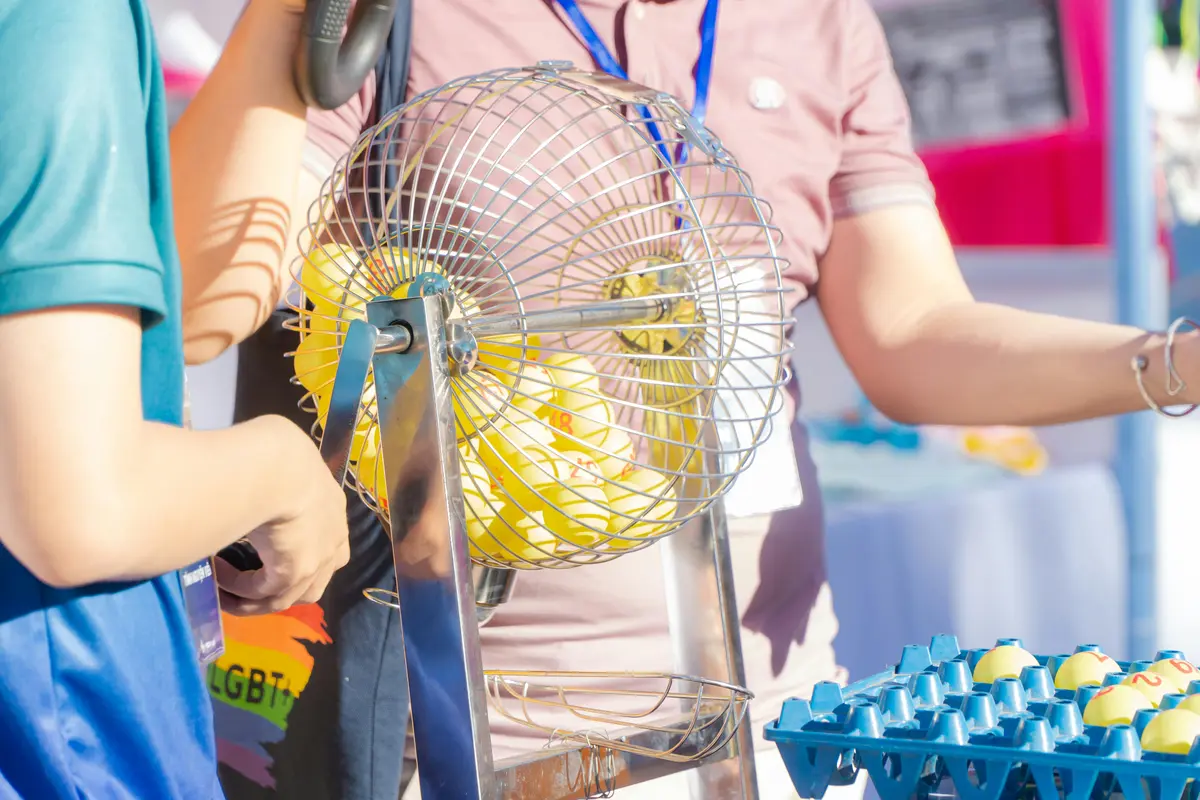
Filipino bingo has a texture that is not reducible to UK or US bingo culture. The 75-Ball format runs tighter (8-minute cadence); the 90-Ball format runs slower (12-minute); community chat blends Tagalog, English and Bisaya depending on the hall; Bingo Jackpot Fridays carry a ritual feel that predates online bingo by a generation. STAS spent the 2026 ranking cycle mapping that texture across 14 audited halls so the comprehensive Philippines bingo ranking would actually reflect how Filipino players consume the game, not a generic Western template.
The 75-Ball tempo and the Jili integration
Jili Bingo 75-Ball anchors the 75-Ball segment at an 8-minute cadence — the tightest in the STAS catalogue. Filipino players moving from a Jili slot tab into the bingo hall pick the 75-Ball format roughly two to one over the 90-Ball alternative across the April observation window. The reason is structural. A Jili slot session is short and dense; players carry that dense rhythm into the bingo room and the 75-Ball cadence preserves it. STAS measured a 31,220-card April throughput inside Jili Bingo 75-Ball — the densest single-month volume any 75-Ball hall on the ranking shelf delivered to Filipino players.
The 75-Ball card itself is a 5×5 grid with a free centre square, a familiar shape from US bingo halls. The Filipino adaptation is in the prize structure rather than the card geometry — the 1-line, 2-line and full-house ladder is tuned to the PHP 5 to PHP 100 entry tiers that dominate Philippine play, not the higher-stake tiers that anchor North American bingo rooms. PHP 10 and PHP 20 cards carry roughly 71% of the volume in the audited windows; the PHP 500 high-roller card is a thin shell at the top of the ladder rather than a load-bearing tier.
The 90-Ball ritual and the Filipino church-hall lineage
The 90-Ball format runs slower because the Filipino church-hall bingo lineage runs slower. Older players raised on parish bingo nights expect a longer card sequence, more host commentary, and a chat room that tolerates digression. Two STAS-audited 90-Ball rooms hold the 12-minute cadence steady across the prime evening window — Filipino players who lived through 1990s parish bingo recognise that pace immediately. The 90-Ball card is a 9×3 grid with three rows of five numbers each; the 1-line, 2-line and full-house ladder maps cleanly onto the parish-hall prize escalation Filipino players grew up with.
The cultural payoff is stickiness. Players in the 90-Ball segment cluster into longer sessions — STAS measured a median session length 38% longer in the 90-Ball halls than in the 75-Ball halls. The retention is paid for in cadence; players who want throughput will not stay, but players who want the parish-hall pace will not leave.
Tagalog, English and Bisaya in the chat layer
Chat language is not a cosmetic detail in Philippine bingo. It is the load-bearing layer that decides whether a Filipino player feels at home in the room or feels they have walked into a foreign hall by mistake. The strongest STAS-audited halls run Tagalog hosts across the Filipino prime evening window (18:00 to 02:00 Manila time) with bilingual transition shifts in the late afternoon. Bisaya support is mostly chat-room layered — Cebu and Davao players speak Bisaya in the chat while the host remains Tagalog or bilingual. STAS partial-credits that arrangement in the ranking; full credit goes only to halls that ship Bisaya host shifts during their own prime window.
Code-switching happens constantly. A typical chat line will open in Tagalog, switch to English for a number-call quote, and close in Bisaya or Tagalog slang. Hosts who can ride that code-switch comfortably anchor the strongest rooms in the catalogue. Hosts who flatten the conversation into a single language lose the room within two cards — STAS measured chat-line drop-off in real time and the pattern is unmistakable.
Bingo Jackpot Fridays — the Filipino ritual layer
Bingo Jackpot Friday is the ritual that most cleanly distinguishes Filipino online bingo from generic Western bingo. The format is simple: every Friday evening a progressive jackpot ladder runs across the partner halls, with the prize cap published on the public results feed before the round opens. STAS observed three jackpot clears across the April Friday windows. The ritual has roots in the parish-hall payday-Friday bingo night that existed long before any Filipino bingo room went online; the digital format inherited the ritual rather than invented it.
Pros and cons of the Filipino bingo culture for new players
Pros — entry tiers stay accessible at PHP 5 and PHP 10; chat layer is welcoming once players read the room language correctly; ritual layer (Bingo Jackpot Friday) gives evening sessions a genuine highlight; Jili integration corridor means the 75-Ball pick has the same operational hygiene as the slot lineup; the 90-Ball segment preserves a slower, more sociable shape for players who do not want a fast format.
Cons — chat slang is dense and can feel impenetrable to new players who do not speak Tagalog or Bisaya; the PHP 500 high-roller tier is thin and can leave high-stakes players underserved; Bisaya host coverage is patchy across most rooms in the catalogue; mobile data costs in remote regions still gate Friday-night participation for some players; weekend Sunday daytime coverage is bilingual rather than Tagalog-first in most rooms.
FAQ
What is the difference between 75-Ball and 90-Ball bingo?
75-Ball uses a 5×5 card with a free centre square and runs a tight 8 to 9 minute cadence. 90-Ball uses a 9×3 card and runs a slower 12-minute cadence. Filipino players associate the 75-Ball format with online play and the 90-Ball format with the parish-hall lineage that predates online bingo.
Why is the chat layer so important?
Because Filipino bingo is a social game. Players read the chat and the host together; a host who flattens the conversation loses the room. Tagalog-host shifts during the Filipino prime evening window are the single strongest cultural-fit signal STAS tracks.
What is Bingo Jackpot Friday?
A weekly progressive jackpot ladder that runs across partner halls every Friday evening. The prize cap is published on the public results feed before the round opens. The format inherits a ritual layer from the parish-hall payday-Friday bingo nights that existed long before online bingo arrived in the Philippines.
Are Philippine bingo halls regulated?
Yes — through the Philippine Amusement and Gaming Corporation under the Philippine Inland Gaming Operator (PIGO) licensing track. Players must be registered Filipino residents aged 21 or older. STAS only links to halls that hold a current PIGO licence with a documented RNG certificate.
Can I play in Bisaya?
Mostly through the chat layer. Most rooms run Tagalog or bilingual hosts; Bisaya is layered into the chat by Cebu and Davao players themselves. STAS partial-credits that arrangement in the ranking.
Internal references
For the full STAS Editor's pick on the 75-Ball format see Editor's pick — Jili Bingo 75-Ball tops the comprehensive 2026 bingo ranking. For the cross-category leaderboard see the comprehensive Best Online Casino Philippines 2026 STAS ranking. For the editorial principles behind every cultural call STAS makes see the curator letter from STAS Editorial.
For independent context on the PAGCOR licensing track, see pagcor.ph.
Try the STAS-ranked Filipino bingo experience
Registered Filipino residents aged 21 or older can play the STAS-ranked Filipino bingo experience under a PAGCOR-licensed PIGO operator at the STAS recommended bingo destination. Play responsibly — set a session bankroll before you log in and stop when you hit it.
## More from our Pinoy casino network - [Jili Money Coming vs Jili Lucky Coming — HATV early bench of the Jili sequel](https://hotatvdeals.com/news/jili-money-coming-vs-lucky-coming-sequel-comparison) - [Habanero Lantern Luck sa LNGY — Tagalog gabay para sa Pinoy baguhan na may ₱300 budget](https://llangley.com/news/habanero-lantern-luck-lngy-tagalog-baguhan-300)